Is Restoring a Muscle Car Worth It? Real Costs and Payoff

Last Updated: November 14, 2026
Quick Summary
For most people, is restoring a muscle car worth it? No, not as a pure investment, because the total investment usually lands above the finished value. It is worth it when you want the car, can fund the build without borrowing, and accept that enjoyment, not dollars, is the return.
- Bodywork and paint alone can run $8,000 to $25,000 or more, and can exceed the purchase price of a driver-quality project.
- Rust is the single biggest surprise, hiding in cowl, floor pans, and rear frame rails.
- A DIY-heavy build removes shop labor but adds tool investment and often multi-year timelines.
- Break-even math is purchase price plus parts plus labor plus a contingency of roughly a fifth.
- A matching numbers car is generally valued differently from one with a replacement engine.
Table of Contents
- The Honest Answer on Whether Muscle Car Restoration Pays Off
- Muscle Car Restoration Cost: Where the Money Actually Goes
- How Much Does It Cost to Restore a Car by Yourself?
- DIY vs Professional Restoration: A Side-by-Side Comparison
- Resale Value, Finished Value, and Break-Even Math
- The Best Muscle Car to Restore for Your Budget and Skill Level
- A Go/No-Go Checklist Before You Buy a Project Car
- Gear Up for the Build with Midnight Motor Club
- Frequently Asked Questions
The Honest Answer on Whether Muscle Car Restoration Pays Off
Is restoring a muscle car worth it? For most people, no, not as a pure investment.
Here is the part most guides skip: the math only works on a handful of cars, and the enjoyment has to carry the rest.
Below, we walk through real cost categories, a DIY versus professional comparison, and a go/no-go checklist you can run before you hand over cash.
Muscle Car Restoration Cost: Where the Money Actually Goes
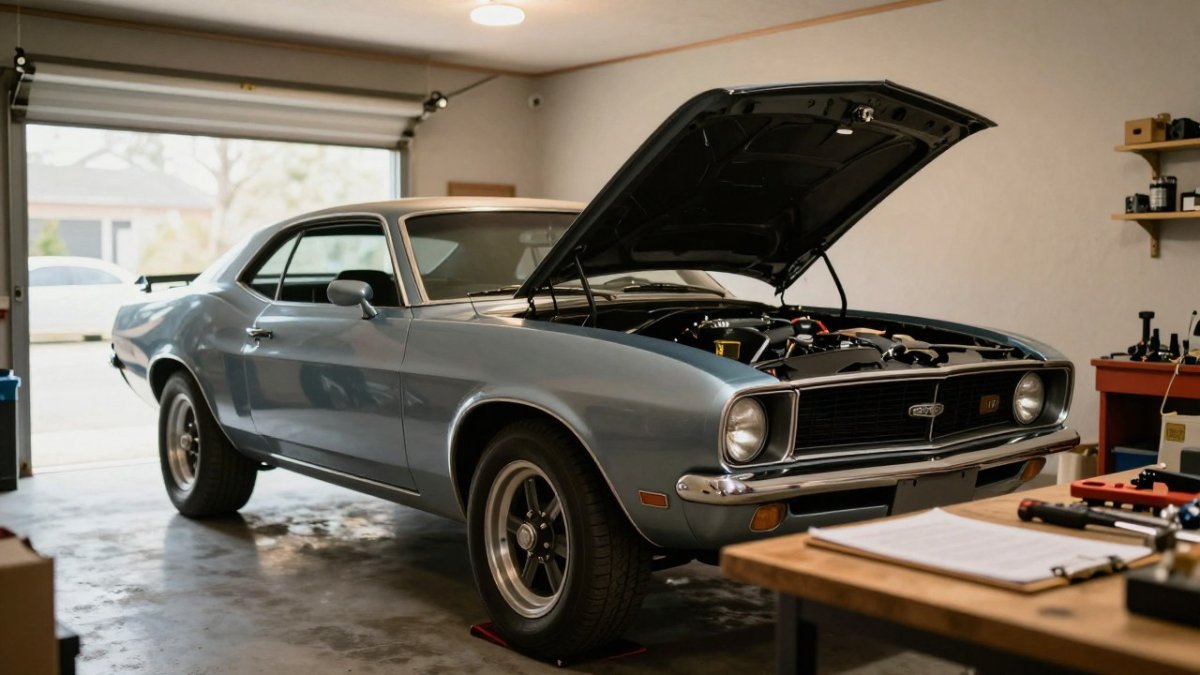
A full muscle car restoration can run from a modest driver-quality refresh to a concours-level rebuild, and the spread between those two is enormous.
A Transparent, Itemized Muscle Car Restoration Budget
Most guides give you categories without numbers. Here is how we would structure a muscle car restoration cost sheet, with typical ranges you can use as a starting framework.
| Category | What It Covers | Typical Range (Parts + Labor) | Cost Driver |
|---|---|---|---|
| Bodywork and paint | Rust repair, panel replacement, block sanding, topcoat | $8,000-$25,000+ | Hours of skilled labor; rust severity |
| Drivetrain | Engine rebuild, transmission, rear end, clutch | $4,000-$12,000 | Machine work and parts availability |
| Suspension and brakes | Bushings, springs, discs, lines | $1,500-$5,000 | Whether you upgrade or restore original |
| Interior | Seat covers, carpet, dash, headliner | $1,500-$5,000 | Originality versus aftermarket |
| Trim and chrome | Bumpers, brightwork, badges | $1,000-$4,000 | Rechroming versus replacement |
| Electrical | Harness, gauges, charging system | $800-$3,000 | Age-related failures |
| Contingency | Surprises found during teardown | 15-20% of total | Rust, hidden damage, scope creep |
A common pattern is that the bodywork and paint line alone can exceed the purchase price of a driver-quality project. Because rust repair depends on choosing metal that suits the job, the trade-offs of carbon steel are worth weighing before committing to a repair approach with JWM Metal Supply.
DIY, Partial, and Professional Budget Scenarios
The same car can produce three very different budgets depending on who turns the wrenches. Here is how the totals shift:
- DIY-heavy build: You handle disassembly, cleaning, interior, and mechanical work; you outsource paint and body. Your labor is free, but you buy tools and materials. Expect the parts-and-materials total to land in the lower half of the ranges above, plus a tool investment that can run several thousand dollars if you are starting from scratch.
- Partial or hybrid build: You do the teardown and reassembly, and hand safety-critical and specialist work, paint, body, machine work, rechroming, to professionals. This is the most common path for first-time restorers because it keeps the biggest labor hours in your own garage while putting the hardest skills where they belong.
- Professional turnkey build: The shop handles everything. Labor is billed hourly and becomes the largest single expense. The total can easily double or triple a DIY-heavy build for the same finished quality.
Classic Car Restoration Cost Per Hour and Shop Rates
The classic car restoration cost per hour is where budgets quietly die. Shop rates vary widely by region and specialty. Ask any shop for its hourly rate and its estimated hours per stage before you commit.
Watch out: a shop that quotes a flat price without inspecting the car is guessing. Get the estimate in writing, stage by stage, and hold back a contingency fund for what the teardown reveals.
How Much Does It Cost to Restore a Car by Yourself?
Answering how much does it cost to restore a car by yourself comes down to parts and materials, because your own labor is free.
Expect to spend on:
- A welder, angle grinder, and body hammers if you tackle rust and panels
- An engine hoist and stand for drivetrain work
- Paint and body materials
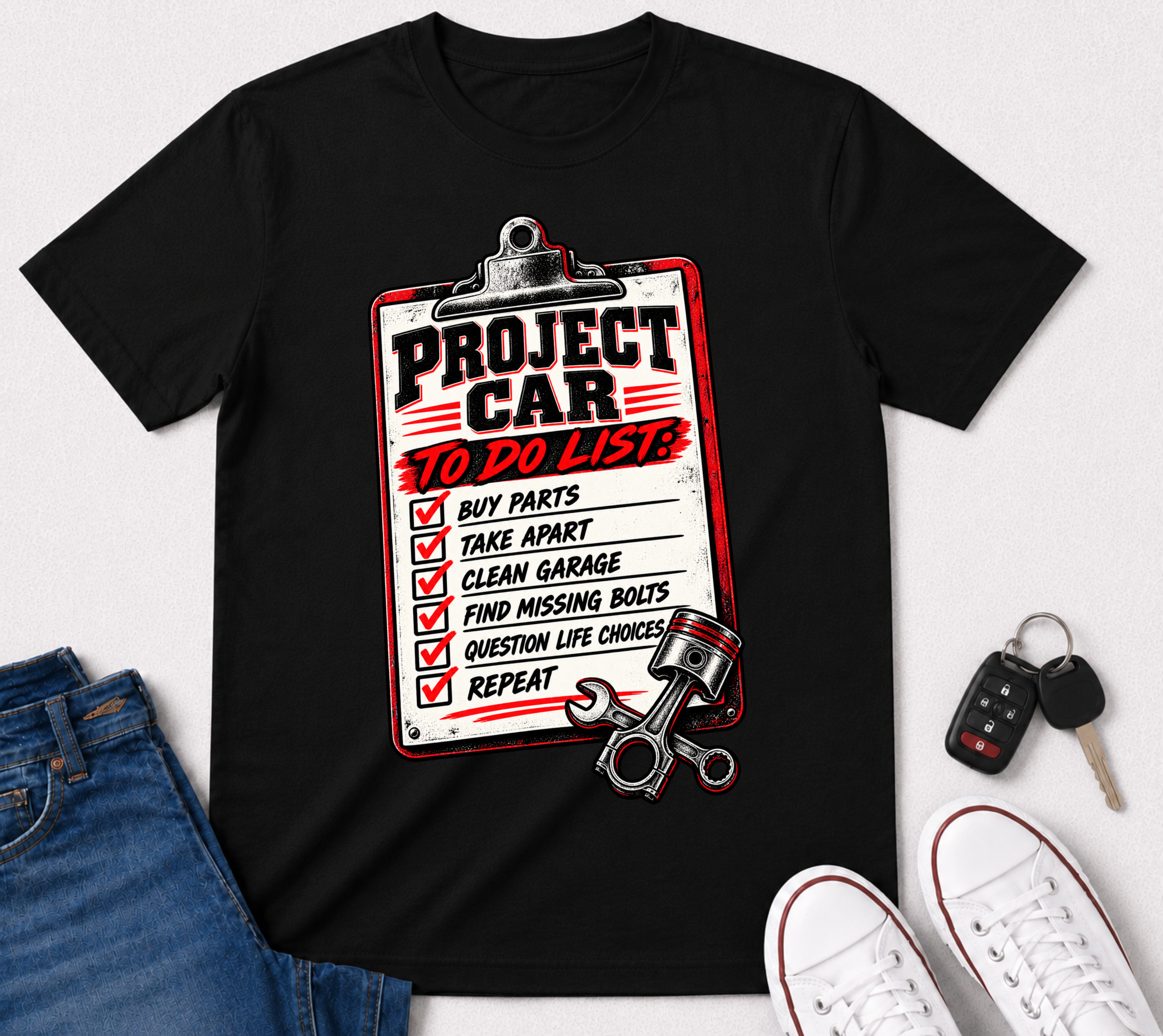
Our honest take: DIY is the only way many enthusiasts can afford a restoration at all. If you are planning your own wrench sessions, the Project Car To-Do List T-Shirt is built for exactly that garage rhythm.
DIY vs Professional Restoration: A Side-by-Side Comparison
DIY and professional restoration trade money for time in opposite directions. DIY saves labor cost but demands skill, tools, and years of patience.
| Factor | DIY Restoration | Professional Restoration |
|---|---|---|
| Labor cost | Your time | Billed hourly, the largest expense |
| Speed | Slow, often multi-year | Faster, staged schedule |
| Skill required | You learn as you go | Provided by the shop |
| Tool investment | You buy or rent | Included in the rate |
| Quality control | On you | On the shop |
| Best for | Patient, hands-on owners | Owners with budget but no time |
A hybrid approach often makes the most sense: you handle disassembly, cleaning, and interior work, and hand the bodywork and paint to a specialist.
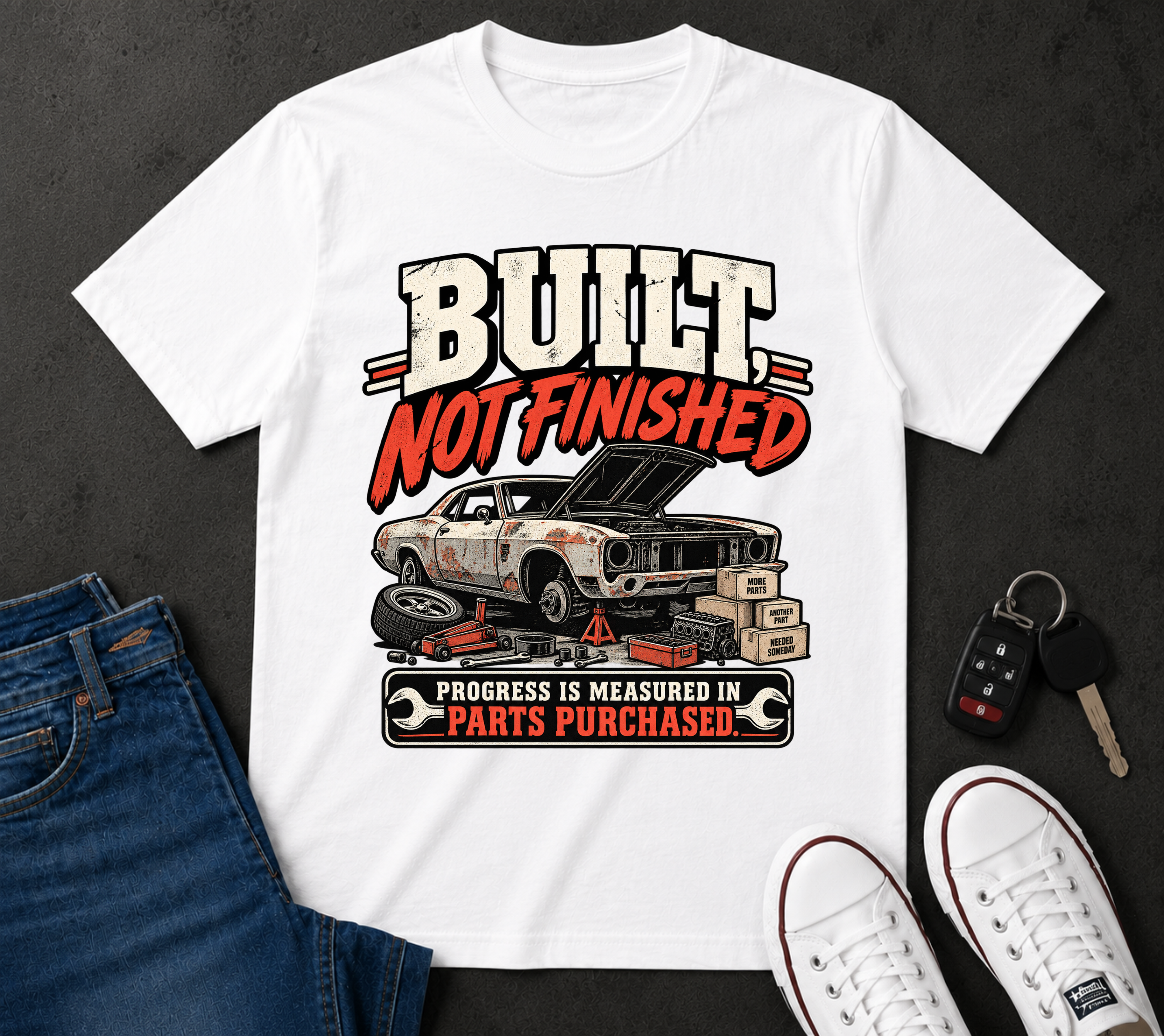
Readers deep into a slow build tend to connect with the Built Not Finished Car T-Shirt, which says what every project owner already knows.
Resale Value, Finished Value, and Break-Even Math
Break-even math is simple: total investment equals purchase price plus parts plus labor plus contingency. Compare that number to the realistic finished value of the car, not the dream price you see on auction listings.
Run it like this:
- Write down the purchase price.
- Add every parts and materials receipt.
- Add shop labor, or value your own hours honestly.
- Add a contingency of roughly a fifth of the total for surprises.
- Compare the sum to recent sale prices for similar finished cars.
If the total exceeds the finished value, you are paying for the experience. That is a legitimate choice, as long as you make it with open eyes.
Realistic Finished-Value Scenarios
Finished value depends far more on the specific car than on how much you spent building it. A common pattern is that the same restoration budget produces very different outcomes depending on the starting point:
- Popular, well-supported model with strong documentation: Reproduction parts are easy to find, the owner community is large, and buyers are confident. Finished value tends to hold up, and a well-executed build can approach break-even.
- Mid-tier model with average documentation: Parts are available but not cheap, and the buyer pool is smaller. Most builds land above finished value, and the gap is the price of the experience.
- Obscure or heavily modified model: A single unavailable part can stall the build, and a narrow buyer pool limits resale. These are the builds where the financial case is weakest.
Accounting for Transaction Costs and Contingency
Most break-even calculations leave out the costs that appear at the end. Factor in selling costs, contingency overruns from the surprises found during teardown, and your own time, which is rarely free in economic terms even when it is free in cash terms.
Matching Numbers, Originality, and Authenticity Premiums
Originality moves resale value more than almost anything else. A matching numbers car, where the engine and drivetrain carry the factory-original identification, is generally valued differently from a car with a replacement engine.
A car modified far from factory spec may please you and still narrow the buyer pool later. If resale matters, keep original parts, document everything, and resist the urge to customize heavily.
Financial Return Versus Enjoyment
The honest answer is that financial return and enjoyment are two separate ledgers. On the financial ledger, most restorations are a loss. On the enjoyment ledger, the car pays you back every weekend you drive it. Decide which ledger you are keeping before you buy the project, and the math stops being a source of regret.
The Best Muscle Car to Restore for Your Budget and Skill Level
The best muscle car to restore is generally the one with strong parts availability, a large owner community, and a body that has not dissolved. Obscure models look tempting and can stall on a single unavailable part.
Match the car to your skill level:
- Beginner: a solid driver that needs mechanical work, not structural repair
- Intermediate: a car needing minor rust repair and a drivetrain refresh
- Advanced: a full teardown with panel replacement and paint
If you also love JDM style, our guide on how to build a JDM and muscle car style mashup shows how to blend the two looks without wrecking originality.
A Go/No-Go Checklist Before You Buy a Project Car
Run this checklist before you commit to any project car.
- Frame rails, floor pans, and cowl inspected for rust
- Engine and transmission numbers checked against the VIN
- Parts availability confirmed for the specific model and trim
Watch out: buying on emotion at a car show is the most common route to an abandoned project. Sleep on it, then inspect again in daylight.
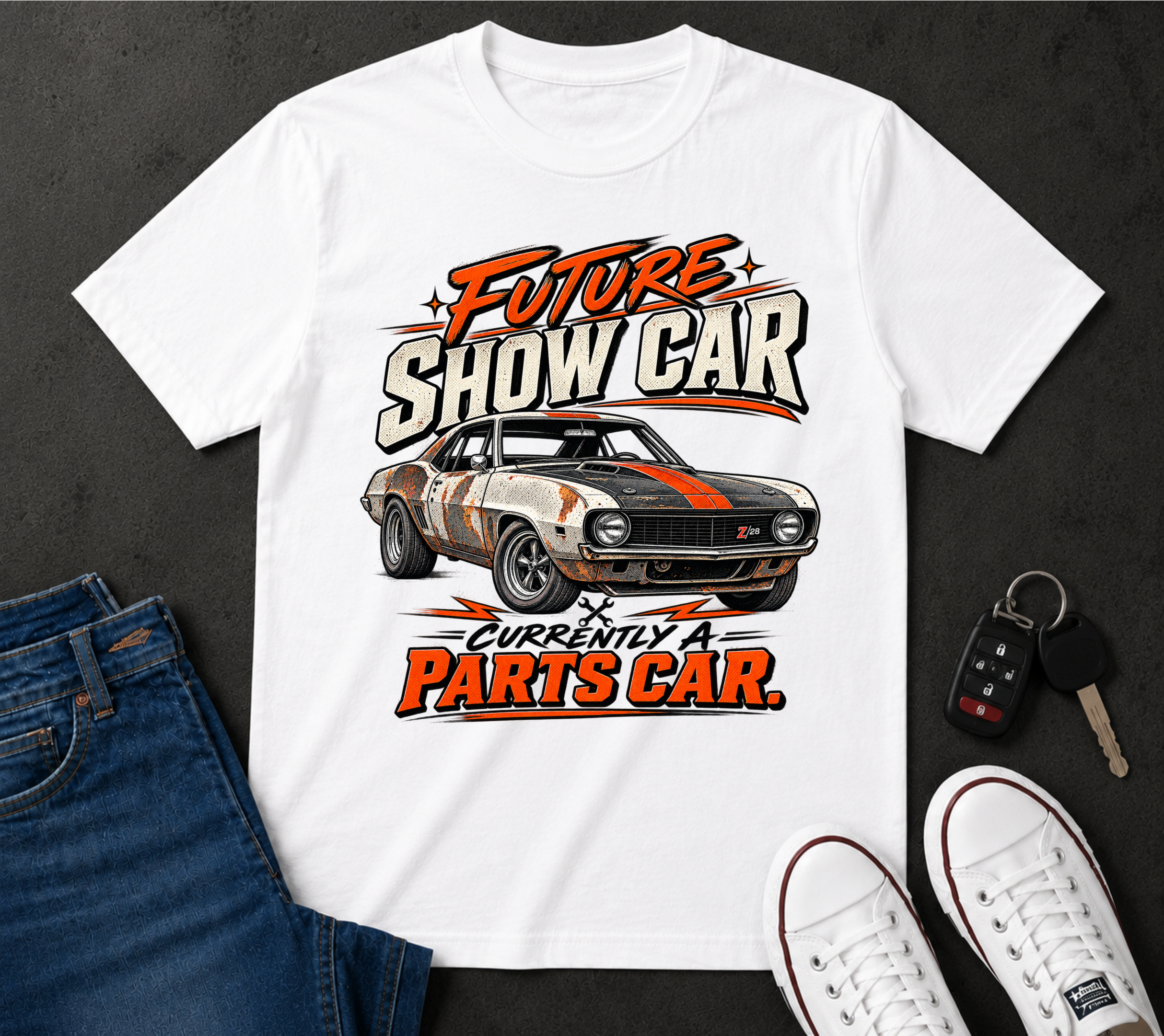
For the moment you are still deciding, the Future Show Car T-Shirt captures the optimism of a car that is currently a parts car.
Gear Up for the Build with Midnight Motor Club
Every restoration starts long before the first wrench turns, and the right gear makes the garage hours better.
If you relate to a build that has run longer than planned, the Project Car: 0 Months, 6 Months, 12 Years T-Shirt says it for you. Pair it with our Project Car Timeline T-Shirt for the days when the car is still under construction.
Deciding whether a restoration is worth it takes honesty about money and time. Once you have made the call, gear that matches the lifestyle makes the long weekends in the garage a little more enjoyable.
Restoring a muscle car is worth it when you go in clear-eyed about the costs and honest about the payoff.
Frequently Asked Questions
What is the average cost to restore a muscle car?
There is no single average because the spread is enormous. A driver-quality refresh with mechanical repairs and a budget paint job costs considerably less than a full rotisserie build with bodywork, paint, interior, and drivetrain work. The biggest variables are rust repair, paint, and whether you pay shop labor or turn wrenches yourself. Get itemized quotes for bodywork and paint before you commit, since those two categories routinely blow past early estimates.
Can you make money restoring a muscle car?
Sometimes, but it is the exception rather than the rule. Profit usually comes from buying the right car cheaply, doing most labor yourself, and picking a model with strong demand and good parts availability. Paying full shop rates on a rough car almost always pushes total restoration cost past finished value. Treat any profit as a bonus and budget for breaking even at best, then you will never be disappointed by the resale number.
How do you know if a muscle car is worth restoring?
Start with the car itself. Check for structural rust in the frame rails, floors, and cowl, confirm the engine and transmission match the VIN if originality matters to you, and price parts availability for that specific model. Then run the math: purchase price plus realistic restoration cost versus current finished value for a comparable car. If the gap is small or negative and you still want the car, buy it for enjoyment, not investment.
What is the best muscle car to restore for a first project?
Look for models with strong reproduction parts support, simple mechanicals, and an active owner community. Popular models with broad parts support tend to keep restoration costs and project duration more manageable. Avoid rare trim levels and rust-belt basket cases for a first build. A common model in decent shape beats a rare one that needs everything.
Is a DIY restoration cheaper than paying a shop?
Yes on paper, because you are not paying classic car restoration cost per hour, but the savings depend on your skills and time. DIY makes sense for disassembly, cleaning, mechanical swaps, and interior work. Bodywork and paint are where many home builders find the work hardest. A hybrid approach, doing the teardown and assembly yourself and hiring out paint and machine work, is usually the most financially sensible path.
