How to Identify Authentic Car Brands Step by Step

Quick Summary
To identify a car's true make, start with the badges, then confirm with the VIN, which reveals the official make, model, model year, and country of manufacture. Badges can be swapped or copied, so cross-check visible clues like the grille, lights, and roofline against trusted reference photos before deciding how to identify authentic car brands.
- Compare the badge's location, mounting method, and finish against a reference photo of that model year.
- The VIN, usually on the dashboard or driver's door frame, returns the official make, model, and origin.
- The grille, headlights, and body proportions are harder to change than a badge and carry clues.
- Rebadged cars share platforms, so a matching badge or styling alone cannot confirm the true builder.
- Trust your answer only when several clues agree, and cross-check the VIN with the paperwork.
Table of Contents
- Why Car Brands Are Harder to Identify Than They Look
- How to Identify Car Brands by Logo and Badge
- Identify a Car by Its Picture: Grille, Headlights, and Body Shape
- Identifying a Car Without a Visible Badge
- Using a VIN Lookup to Confirm Make and Model
- How to Identify a Car Make and Model Step by Step
- Rebadged Cars, Shared Platforms, and Where Identification Stops
- Your Next Step: Check the Car in Front of You
- Frequently Asked Questions
Why Car Brands Are Harder to Identify Than They Look
Last Updated: November 4, 2026
Knowing how to identify authentic car brands matters more than most people realize. Badges can be swapped, rebadged, or copied, and many car shows bring together logos that look nearly identical. Enthusiasts often argue over a car's make from across the parking lot and wonder how to identify authentic car brands on sight.
Here is the core problem. A logo tells you who sold the badge, not always who built the car. Automakers share engines, platforms, and even whole body shells, so two cars can look alike while coming from different companies. Some owners also add aftermarket emblems that mimic a famous brand.
This guide gives you a clear, step-by-step way to confirm what you are looking at. You will learn how to read badges, use the shape of a car to narrow things down, and check official records when the visible clues do not match.
- Badges can be replaced or copied with little effort.
- Shared platforms mean one design can appear under several names.
- Modified cars often carry mixed or misleading emblems.
- Looking at several clues together is more reliable than any single one.
How to Identify Car Brands by Logo and Badge
Start with the front and rear emblems, but treat the badge as one data point, not the answer.
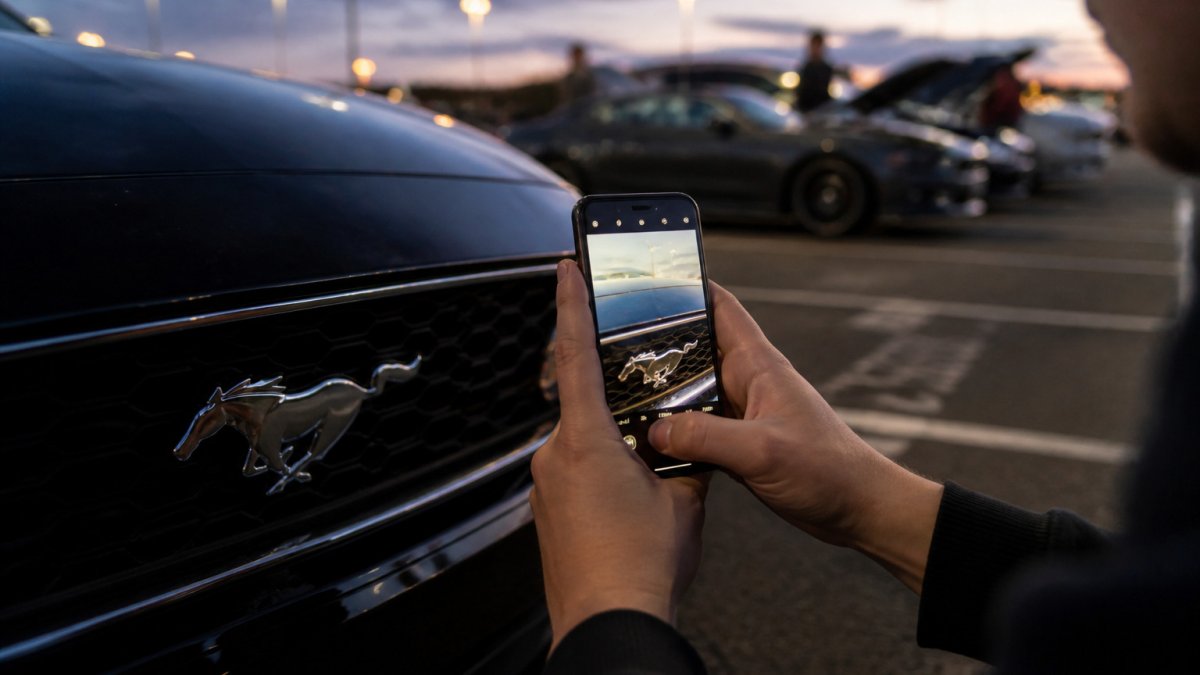
Read the emblem in three layers. First, the mark itself: the shape, the symbol, and whether it is a standalone logo or a wordmark. Second, the typography: letter height, spacing, weight, and whether the brand uses a custom typeface or a standard one. Third, the finish: chrome, brushed metal, blacked-out plastic, illuminated, or two-tone.
Pay attention to placement conventions. Many brands put the make emblem on the grille or hood and the model name on the rear, while others use a rear-center make badge and a side model badge. A badge that appears in the wrong location for that brand, or on a model the brand never sold, is a strong warning sign.
Spotting Genuine Badges Versus Altered or Counterfeit Ones
Counterfeit and aftermarket badges are easy to find online, so check the details closely. Use this seven-point checklist for assessing quality and authenticity to judge whether a branded item is real. Learn what makes automotive streetwear authentic to compare genuine products against altered ones. Watch out for these common signs:
- Misspelled or oddly spaced letters, or a font that does not match the brand's standard
- Mismatched colors, a plastic sheen where the brand uses metal, or a finish that does not match the model year
- Mounting holes, adhesive residue, or a recessed pocket that does not line up with the factory location
- A badge that appears on a model the brand never sold, or in a location the brand never used
- A badge that is too new or too worn relative to the rest of the car
Watch out: Putting a famous badge on a different car is a common way to mislead buyers. Never judge authenticity from the badge alone, cross-check the VIN and documents before you trust the emblem.
Identify a Car by Its Picture: Grille, Headlights, and Body Shape
When the badge is missing, the car's overall look can still point you in the right direction. Start with the grille. Its shape, size, and slat pattern are often unique to a brand or a model generation.
Next, study the headlights. Their shape, the way they sit in the body, and any signature lighting pattern give strong clues. Body shape matters too. Note the roofline, the proportions between hood and cabin, and the position of the wheels.
Compare these features against a trusted reference, such as a manufacturer's official photo gallery. Matching several details together is far more reliable than matching one.
Identifying a Car Without a Visible Badge
When the emblem is removed or never fitted, you can still narrow things down by reading the car's design language rather than its badge. Most practitioners find that a few structural cues are more reliable than a single logo, because styling is harder and more expensive to change than a badge.
Work through these cues in order, from most to least distinctive:
- Grille shape and pattern. The grille is often the strongest brand signal. Note the overall outline (rounded, hexagonal, split, kidney, trapezoid), the slat or mesh pattern, and whether the grille is integrated into the bumper or sits as a separate frame. Brands tend to repeat these motifs across their range.
- Headlight and taillight signature. Look at the shape, the way the light sits in the body, and any signature lighting pattern, a continuous light bar, a split design, or a distinctive daytime running light shape. Lighting signatures are often unique to a brand or a model generation.
- Body proportions and roofline. Note the ratio of hood to cabin, the roofline slope, the wheelbase relative to overall length, and the position of the wheels in the arches. These proportions are expensive to change and often carry across a platform.
- Panel gaps and shut lines. Factory panel gaps are consistent; a car with mismatched gaps or a replaced panel may have been repaired or rebadged.
- Interior cues. Check the steering wheel hub, dashboard shape, gauge design, seat stitching, and infotainment layout. Interior parts are often shared across a brand's range and survive when exterior badges are removed.
- Model names and secondary markings. Look for model names on the rear, side trim, wheel center caps, door sills, and under the hood. These often match specific trims and can confirm the make.
- Tire size and wheel pattern. Wheel design and tire size often match specific trims and can narrow the model generation.
Compare these features against a trusted reference, such as a manufacturer's official photo gallery or a model-specific reference image. Matching several details together is far more reliable than matching one. A practical shortcut is to build a small personal reference set: save one clear front, rear, and interior photo of each brand you care about, and compare the car in front of you against that set rather than against memory.
Many owners keep the original paperwork in the glovebox, which lists the make and model directly. If the visible cues and the paperwork disagree, treat the car with caution and confirm with the VIN.
Using a VIN Lookup to Confirm Make and Model
The vehicle identification number, or VIN, is the most reliable way to confirm what a car really is.
A VIN lookup tool reads the code and returns the make, model, model year, and country of manufacture. The first character of the VIN identifies the country, and the next characters point to the manufacturer. This is why a VIN check can expose a car that has been rebadged or misrepresented.
For a safe check, compare the VIN on the car with the VIN on its documents. If they do not match, treat the vehicle with caution. You can also confirm the details with the official vehicle records in your region.
How to Identify a Car Make and Model Step by Step
Follow this sequence to reach a confident answer:
- Read the badges. Note every emblem, including the rear and steering wheel.
- Check the VIN. Confirm the make and model from the official code.
- Compare the body. Match the grille, lights, and roofline to a reference photo.
- Look inside. Review the dashboard, gauges, and seats for supporting clues.
- Review the documents. Cross-check the registration and sales paperwork.
- Decide. Trust the answer only when several clues agree.
| Step | What to check | What it confirms |
|---|---|---|
| 1 | Badges and emblems | Brand name shown on the car |
| 2 | VIN | Official make, model, and origin |
| 3 | Grille and lights | Model generation and design |
| 4 | Interior | Trim and model clues |
| 5 | Documents | Ownership and registration match |
Rebadged Cars, Shared Platforms, and Where Identification Stops
Some vehicles are sold under more than one brand name. Automakers often share platforms, engines, and components, and a single design can appear with different badges in different markets. Explore an overview of trusted automotive lifestyle brands to see how brands relate to the companies behind them. A car that looks like one brand may be built by another company entirely.
This is where visual identification has limits. A rebadged vehicle can pass a badge check and a styling check while still being a different product underneath. The VIN and official records are the only way to confirm the true origin.
Know when to stop guessing. If the VIN, documents, and visible clues disagree, get a professional inspection or check official records before you buy or make a decision.
Your Next Step: Check the Car in Front of You
Pick one car you see this week and run through the steps above. Read the badge, study the grille and lights, and check the VIN if you can. Each check builds your skill, and a few careful looks often answer the question quickly.
Start the process with a clear checklist, and keep a reference photo of each brand you care about. Ready to show your automotive pride? Browse the Midnight Motor Club collection for graphic tees that celebrate car culture.
Frequently Asked Questions
Can I identify a car by its picture online for free?
Yes. Upload a clear photo of the front, side and rear to a free image search tool, or check a car enthusiast forum where members identify models from photos. Results are strongest when the badge, grille and headlight shape are all visible in the image. Compare any suggested make and model against the car's body shape, wheel style and trim details before accepting the match. If the photo is blurry or taken at an angle, retake it straight on in daylight. A VIN check is the most reliable way to confirm the result once you have the vehicle or its paperwork.
How can I identify a car brand without seeing its logo?
Start with the grille shape, headlight design and the overall body silhouette, since manufacturers keep these features consistent across a range. Look at the wheel pattern, taillight shape and the position of the fuel filler. Interior clues such as the steering wheel emblem, dashboard layout and instrument cluster design can also point to a brand. Note that some brands share platforms, so a styling match alone may not confirm the maker. Confirm with the VIN, which encodes the manufacturer code in its first three characters.
Where can I check a car's make using its VIN?
The VIN is a 17-character code usually printed on the dashboard near the windscreen, on the driver's door pillar and on the registration documents. The first character identifies the country of manufacture and the first three characters together identify the manufacturer. Free decoders on official government or manufacturer sites can translate the full VIN into make, model, model year and engine. Paid vehicle history reports add ownership and accident records. Always check that the VIN on the car matches the VIN on the paperwork.
What should I check if a car's badge does not match its paperwork?
Treat the mismatch as a serious warning sign. Compare the VIN plate, the VIN stamped on the chassis or engine, and the documents, then run a VIN decode to see which make and model it reports. Look for fresh paint, adhesive residue or screw holes around the badge, which can indicate a swapped emblem. If the decoded vehicle differs from the badge, ask the seller for an explanation in writing and consider having a qualified inspector or your local vehicle registry verify the identity before paying.
